
Student Loans & PSLF
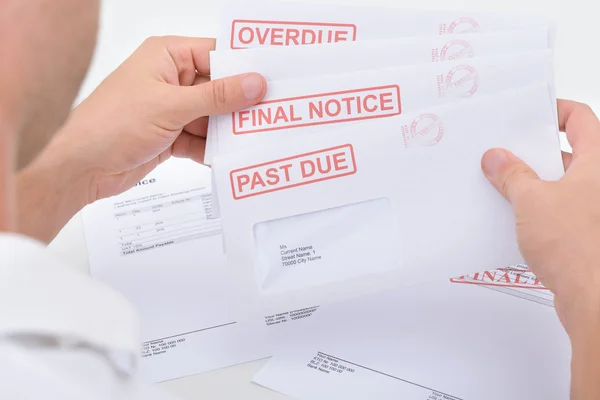
When a nurse at a public hospital we will call Alanna first enrolled in an income-driven plan paired with Public Service Loan Forgiveness, the math worked the way it is supposed to. Her monthly payment fell by almost 70 percent, and she picked up roughly two years of retroactive credit toward forgiveness. Then she missed one deadline. At her first annual recertification, the paperwork did not get filed, and the fallout was immediate. Her payment more than tripled, and a notice arrived telling her the payments she kept making no longer counted toward her ten years. Getting back took dozens of phone calls, three months to secure a forbearance with her servicer, and four more months to return to her plan. The episode cost her money, hours she did not have, and close to a year of lost progress. She had done nothing reckless. She had missed a date.
What a missed recertification actually triggers
Anyone repaying on an income-driven plan carries one recurring obligation that holds the whole arrangement together: confirming their income and household size once every twelve months. That single step is what keeps the payment tied to what the borrower actually earns. Let it lapse and the payment stops being calculated from income, which was the entire reason the plan was affordable to begin with.
The Department of Education describes the immediate result plainly: a borrower who does not recertify by the deadline stays on the same plan, but the monthly payment is “no longer based on your income” and can rise sharply. In practice that recalculated amount is set as though the borrower were paying the balance off on a fixed ten-year schedule, which for most people is far higher than the income-driven figure, sometimes by a multiple. The increase is not a penalty fee. It is the plan reverting to its non-income terms because the information that justified the lower payment has gone stale.
What happens next depends on which plan the borrower is on, and the differences matter more than most people expect. On Income-Based Repayment, a missed recertification does not only raise the payment; it also capitalizes unpaid interest, a step the other plans do not take in the same situation. On Pay As You Earn and Income-Contingent Repayment, the payment still climbs, but accrued interest is not added to the principal for a missed deadline. The new Repayment Assistance Plan and the wind-down of older plans have made this map more complicated in 2026, which is covered in Finnita’s guide to the income-driven repayment plans available after the SAVE shutdown. The point for a borrower facing a missed deadline is narrower: the plan you are on decides how expensive the miss is, and one plan makes it considerably worse than the rest.
Why Income-Based Repayment is the worst place to miss
Capitalization is the quiet reason a missed recertification on IBR does lasting damage rather than temporary damage. Here is the mechanism. Between payments, interest accrues on the loan. On an income-driven plan that interest can sit unpaid for a while without being folded into the balance. When a borrower on IBR misses recertification, that accumulated unpaid interest is added to the principal. From that point forward, interest is charged on the larger number, so the borrower begins paying interest on what used to be interest.
The effect is not dramatic on any single day, which is what makes it easy to overlook. Over the remaining life of the loan it compounds. A borrower who let one deadline pass with unpaid interest already on the books can carry the cost of that one missed date for years, because the higher principal keeps generating more interest than it otherwise would have. Pay As You Earn and Income-Contingent Repayment spare the borrower this particular harm on a missed recertification, but the higher payment still lands, and for a borrower whose budget was built around the income-driven figure, a payment that suddenly reflects a ten-year payoff is its own emergency. IBR simply adds the long tail.
What it does to the forgiveness clock
For a borrower pursuing Public Service Loan Forgiveness, the payment spike is not even the most serious part. PSLF counts a payment only when it is made under a qualifying repayment plan, and a missed recertification can quietly break that requirement. If the recalculated bill is more than the borrower can pay and the account slips into forbearance, those months earn no credit, because forbearance is not a qualifying repayment status. The same goes for the processing forbearance a servicer may apply while it works through a late recertification. The clock that is supposed to reach 120 qualifying payments can stop advancing, often without any obvious signal that it has.
That is what happened to Alanna. The notice she received was not only about a higher bill; it told her that her progress toward forgiveness had stopped. For someone years into a ten-year pursuit, a stretch of non-qualifying months is lost time that is slow and uncertain to win back. The mechanics of which payments count, and why so many borrowers discover the gap late, are laid out in Finnita’s explainer on how PSLF actually works in 2026.
The household-size trap
The second number a recertification confirms is household size, and it is the one borrowers most often lose without realizing it. An income-driven payment protects more of a borrower’s income when the household is larger, so a family of four pays less on the same salary than a single filer does. When a recertification lapses and the servicer no longer has a current household figure, that figure can default to a household of one. A borrower with three dependents can find the payment recalculated as though they live alone.
This compounds the income problem rather than replacing it. The payment is already climbing because it is no longer based on income; resetting the household to one can push it higher still, and on some plans it can affect whether the borrower qualifies to re-enter income-driven repayment at the figure they had before. The fix requires re-documenting the household, which is straightforward only if the borrower knows to do it. Many do not, because nothing in a routine servicer notice explains that an unconfirmed household quietly becomes a household of one.
Recovering after a missed deadline
A missed recertification is recoverable, and the first thing to know is that speed matters more than anything else. Contacting the servicer immediately is the step that opens every other option. A servicer can place the account in a short processing forbearance, capped at 60 days, while a late recertification is handled, which can stop a payment a borrower genuinely cannot make from going delinquent. Recertifying as soon as possible restores the income-based payment going forward, and re-documenting household size corrects the second half of the problem.
Two realities make recovery slower than it should be in 2026. Recertification dates are themselves being staggered across 2026 and 2027 instead of resetting on one shared date, the aftermath of a long processing pause, so the date a borrower assumes is correct may not be. And the system handling these requests is backed up. More than 530,000 income-driven repayment applications sat unprocessed at the Department of Education as of late April 2026. Even a borrower who does everything right can wait months for the paperwork to clear. For a PSLF borrower, the harder question is recovering the lost months, which may require a separate buyback process and is not guaranteed. The honest summary is that the damage from a missed deadline is fixable, but the fix costs time, persistence, and often money, exactly as it did for the nurse in the opening. The recertification miss is one of the most common ways a do-it-yourself enrollment goes wrong, and one of the most punishing.
How Finnita keeps the deadline from being yours to miss
The reason a missed recertification is so common is not carelessness. The notice often goes to an email address the borrower no longer checks, the deadline is a single date buried in a servicer portal, and the borrower assumes the servicer already has what it needs. The miss is structural, not personal.
That is the part Finnita is built to remove. For every customer, Finnita manages the annual recertification directly: it tracks the date, prepares and files the income and household paperwork on time, coordinates with the servicer, and corrects the errors that would otherwise surface a year later as a doubled payment. Because the recertification is handled before the borrower would ever see a notice, the deadline stops being something the borrower has to remember at all. As Zack Parker, one of Finnita’s co-CEOs, puts it: “Nobody misses recertification on purpose. People lose track of the date and the back-and-forth complexity, which is exactly what we manage for them.”
Alanna is back with Finnita now. She had enrolled with help, decided at one point to handle the loans herself, and learned across seven months of phone calls what the deadline can cost when no one is watching it. Hers is the kind of recurring, unglamorous work that decides whether a forgiveness pursuit survives its second year, and it is the kind of thing a specialist does as a matter of course. Finnita is a specialist student loan enrollment service that focuses exclusively on federal repayment and forgiveness programs, and the case for that focus is made directly in the specialist’s case.
Why Finnita
A federal forgiveness pursuit is long, and the parts most likely to break it are the quiet, recurring ones: a recertification that lapses, a household figure that resets, a payment count that stops advancing while everything looks fine. The right party to carry those is not a generalist with a benefits dashboard.
Finnita does one thing: it enrolls borrowers into the federal programs that can reduce or eliminate their debt. Customers save an average of $468 a month, with a 98 percent enrollment success rate across all customers and all programs. If Finnita cannot enroll you, you get 100 percent of your money back. The service is free to the employer. No refinancing. No credit checks. No new debt. Finnita is a Delaware Public Benefit Corporation, working with hundreds of employers and covering millions of eligible employees. Borrowers can check their projected savings in about 60 seconds at finnita.com.
Frequently asked questions
What happens if I miss my IDR recertification deadline?
Your monthly payment stops reflecting your income. Federal guidance is that you keep your current plan, but the amount is recomputed without the income figure on file, which usually pushes it up steeply. If you are on Income-Based Repayment, your unpaid interest is also folded into your balance at that point. And if you are working toward Public Service Loan Forgiveness, the months after the lapse may not count toward your required 120. Nothing is charged on top of the loan; the plan has simply lost the income figure that justified the lower bill.
How much can my payment go up if I do not recertify?
There is no single number, because it turns on your balance, your income, and your plan. What is consistent is the method: once your income drops out of the calculation, the servicer generally resets the bill to what it would take to clear the balance over a standard term, which for many borrowers lands at two to three times the income-driven amount and occasionally higher. The increase also arrives all at once, on the next statement, instead of easing in, which is why it so often blindsides people.
Does missing recertification hurt my PSLF progress?
It can. PSLF gives credit only for payments made in a qualifying repayment status, so if a missed recertification pushes you into forbearance, including the processing forbearance a servicer uses while it clears late paperwork, those months generally will not count toward your 120. The clock pauses rather than starts over, but clawing back those months can be slow and is not always possible without a separate buyback request. The danger is greatest for borrowers who go several months before noticing.
Is a missed recertification permanent?
No. Once you recertify, your income-based payment is reinstated from that point on, and updating your household size fixes the figure that may have defaulted to a single person. The catch is timing: processing is heavily backlogged, with over 530,000 income-driven applications awaiting review at the Department of Education in late April 2026, so the correction can take months to land. For borrowers chasing PSLF, winning back credit for the missed stretch is a separate and slower matter.
What should I do the moment I realize I missed it?
Call your servicer right away, because how fast you act decides what is still available to you. Ask whether your account can go into a short processing forbearance, which runs up to 60 days, so a payment you cannot afford does not slip into delinquency while your late recertification is sorted out, and file that recertification as quickly as you can. Double-check that your household size is on record rather than defaulted to one. Write down every call and confirmation. A miss caught within days is a quick fix; one caught after several non-qualifying payments is a far bigger job.
How does Finnita prevent a missed recertification?
It takes the deadline off the borrower’s plate entirely. Recertification is part of what Finnita does for every customer: the team watches for the annual date, handles the income and household filing before it comes due, stays in contact with the servicer, and catches paperwork problems while they are still cheap to fix. Because all of that happens before a borrower would even receive a notice, there is no date left for the borrower to forget, which removes the very step where most do-it-yourself forgiveness attempts come apart.
More from the Finnita blog

Student Loans & PSLF
Federal Student Loan Update: September 2026 — What Changed and What It Means for Borrowers
Read more
Student Loans & PSLF
Nurses and Hospital Staff on SAVE: Your Plan Choice and PSLF
Read more
Student Loans & PSLF
Teachers on SAVE: What to Do Before Your 90 Days Run Out
Read moreSee what you could save
It takes 60 seconds to find out how much you could save on your student loans. No commitment, no credit check.
Check Your SavingsBring Finnita to your organization
A meaningful employee benefit that costs you nothing. No budget approval, no procurement, no administrative burden.
Bring Finnita to Your Organization